Ausbildung
Ausbildung by Trade: The Best Fields in Germany for International Students
Ausbildung — Germany's paid, dual vocational-training system — isn't one path but dozens. The trick is picking a field that's genuinely in demand for international trainees, pays a fair stipend, and leads somewhere. Here are the strongest options in 2026, with the honest detail on each: prospects, pay, and the German level you'll need.
First, the one rule that applies to every field
Whatever trade you choose, the gatekeeper is the same: German. Almost every Ausbildung needs B1–B2, because your vocational school, training and workplace all run in German. Healthcare fields usually want B2. Sort the language first and every door below opens.
What German level do you need?1. Nursing & elderly care (Pflege)
The single most in-demand path. Germany has a severe shortage of nurses and carers, so job security is exceptional and the route to residency is strong. German: usually B2. Stipend roughly €1,000–€1,500/month, rising each year.
2. Hospitality (hotels, restaurants, events)
Hotels and restaurants across Germany need trained staff — front desk, service, hotel management. Great for people-oriented learners, with international environments where your language grows fast. German: B1–B2. Stipend around €900–€1,200/month.
3. IT & tech (IT specialist, application development)
Germany's digital skills gap makes IT Ausbildung attractive and well-paid afterwards. Roles include IT specialist (Fachinformatiker) for system integration or software development. German: B1–B2. Stipend often €1,000–€1,400/month.
4. Skilled trades (electrician, mechatronics, plumbing)
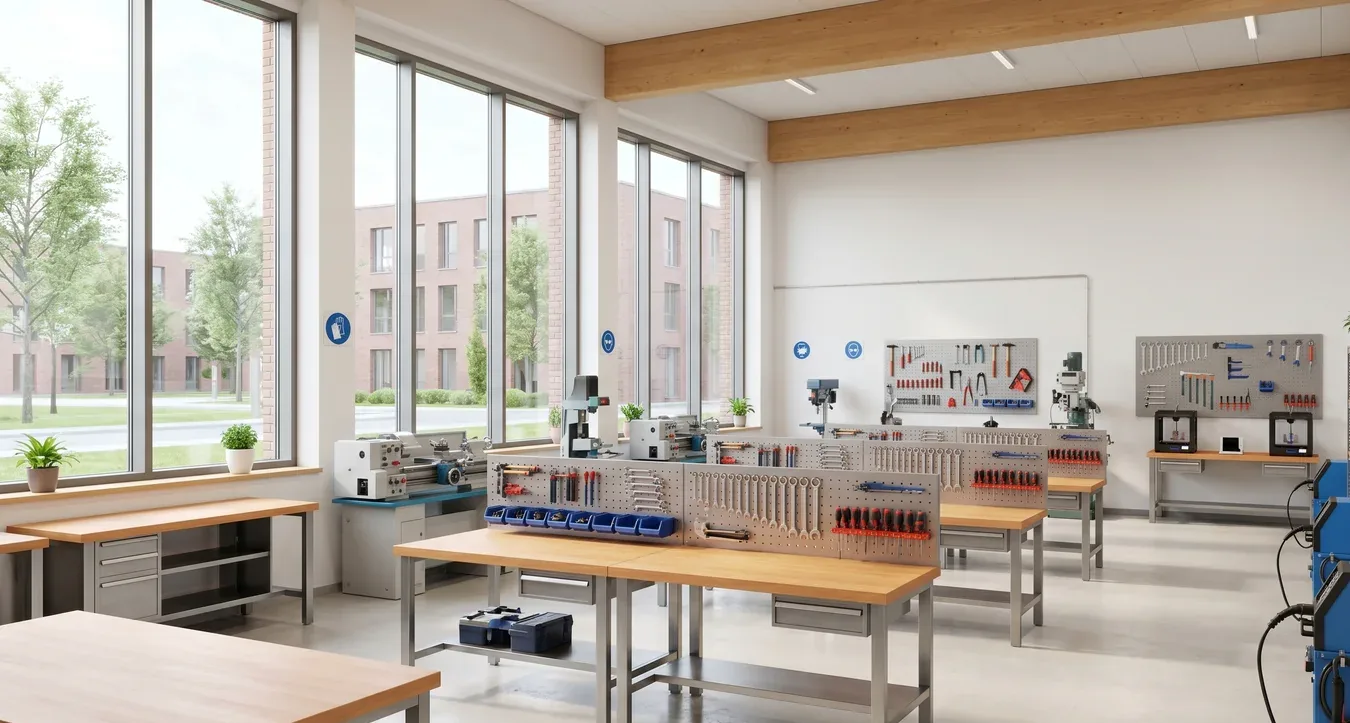
The classic German Ausbildung. Electricians, mechatronics technicians and similar trades are in constant demand and pay well once qualified. Hands-on and practical. German: B1–B2. Stipend around €900–€1,300/month.
5. Logistics & warehousing
With Germany at the heart of European trade, logistics roles (warehouse, supply-chain, freight) offer a quicker, very employable entry point. German: B1. Stipend roughly €900–€1,100/month.
6. Culinary arts (chef / cook)
If you love food, training as a chef (Koch/Köchin) is a recognised, portable qualification with demand across the EU. German: B1–B2. Stipend around €900–€1,200/month.
Whatever field appeals, Spraviva gets your German to the B1–B2 level it requires — from A1, with native teachers and Goethe-aligned practice — and assists with Ausbildung placement through trusted partner channels. One clear path from beginner German to a training place.
How to choose your field
- Job security → nursing, caregiving and skilled trades are the safest bets.
- Pay during training → IT and healthcare tend to sit at the higher end.
- Fastest entry → logistics and hospitality often have lower language hurdles.
- Your interests → you'll train 2–3.5 years, so pick something you can enjoy.
Whichever you choose, the first move is the same — start your German now, because that's the requirement every field shares.
Explore the Ausbildung pathwayFrequently asked
What is the most in-demand Ausbildung in Germany?
Nursing and elderly care (Pflege) are the most in-demand, due to a severe shortage of healthcare workers, with strong job security and a clear route to residency.
Which Ausbildung fields pay the best during training?
IT and healthcare Ausbildung tend to be at the higher end, often around €1,000–€1,500 per month, though stipends vary by employer and region and rise each year.
What German level do I need for an Ausbildung?
Most fields require B1–B2 German. Healthcare fields such as nursing usually require B2, because you communicate with patients and medical teams.
Can international students do any Ausbildung field?
Many fields are open to international trainees, especially nursing, hospitality, IT, skilled trades and logistics. The main requirement is reaching the needed German level (B1–B2).
Ready to take the next step?
The fastest way to start is a quick message — tell us your goal and we'll point you to the right course.
Message us on WhatsAppContinue reading
Ausbildung
Vocational Ausbildung Courses in Germany: How They Work
What a vocational Ausbildung course in Germany actually involves: the dual system, course length, the stipend, the fields hiring internationals, and the one requirement that decides everything.

Ausbildung
Ausbildung in Germany for Pakistani Students: A Practical Guide
Train for a real profession in Germany, get paid while you learn, and build a future in Europe — tuition-free. Here's how Ausbildung works for Pakistani students.